Why I Started Using Artistic Signature for My Branding
I was staring at a stack of new candle labels, feeling that familiar pang of creative indecision. My small candle business was growing, and my homemade, printed labels just weren’t reflecting the quality of the products inside. They looked a bit… homemade, which wasn’t the vibe I wanted. I needed a touch of elegance, something that felt luxurious and special, to match the scents I was carefully crafting. That’s when I discovered Artistic Signature, and it completely shifted how I present my business.
The Personality of a Font
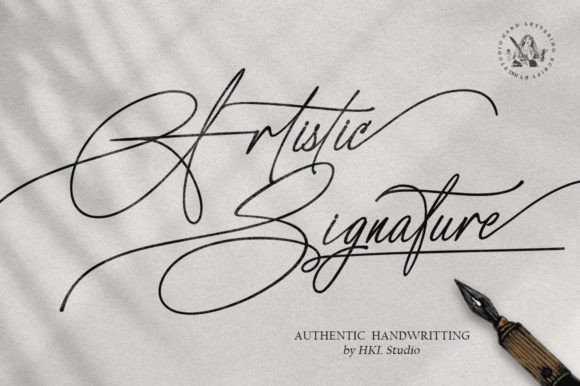
Artistic Signature is a script font, but it’s not just any handwritten style. It has a distinct, artistic flair. The letters flow with elegant, confident curves, and the strokes vary in width, giving it a genuine hand-drawn feel. The overall mood is sophisticated and classy, but it’s also warm and approachable—not cold or overly formal. It’s the kind of typography that whispers “crafted with care” rather than shouting it. For my candle labels, this personality was perfect. It communicated the artistry behind the product without needing to say it outright.
I tested it immediately. Replacing my old, standard font with Artistic Signature on my main label title—like “Vanilla & Oak”—transformed the entire look. Suddenly, the packaging felt cohesive, intentional, and premium. It was the same jar, the same wax, but the customer’s first impression was now leagues ahead. That’s the power of typography: it sets the stage before anyone reads a single word about your product.
Putting Artistic Signature to Work
Since that first test, I’ve integrated Artistic Signature across nearly all my customer-facing materials. Its strength lies in display text—those key pieces of information you want to highlight and make memorable.
- Logos & Brand Marks: It’s an excellent choice for a logo or a wordmark. I used it for my business name on my website header, and it immediately created a recognizable signature for my brand.
- Product Labels & Packaging: This is where it shines. Product names, limited edition lines, or a simple “Thank You” on the box—Artistic Signature adds that luxurious touch.
- Digital Presence: I updated my Instagram story templates, my online shop banners, and even the graphics for digital ads. The consistency across platforms makes my brand feel reliable and established.
- Print Collateral: Business cards, thank-you notes inserted with orders, and small flyers all benefit from its elegant character. It turns simple printed items into keepsakes.
A quick note on readability: Artistic Signature is a display font. It’s best for headlines, titles, short phrases, and decorative accents. I wouldn’t use it for long paragraphs of body text on a website or for fine print on a label (like ingredient lists). For those, you need a clear, readable companion font. On small labels or mobile screens, keep the phrases you set with it concise and impactful.
A Real-World Example: Beyond Candles
I consulted with a friend who runs a boutique bakery, and we applied the same principle. Her old menus were functional but forgettable. We used Artistic Signature for the menu section titles—“Seasonal Pastries,” “Artisan Breads,” “Celebration Cakes”—paired with a clean, simple sans-serif font for the descriptions and prices. The result was a menu that felt curated and elevated, matching the quality of her baked goods. The font worked equally well for the text on her bakery box stickers, turning a simple brown box into a branded experience.
Building a Cohesive Visual Identity
The true value of a font like Artistic Signature isn’t just in making one thing look nice; it’s in building a consistent visual identity. When customers see your logo, your product label, your social media post, and your thank-you card, and they all share that same distinctive typographic voice, you build trust and recognition. They begin to associate that elegant, flowing style with your brand’s personality. It makes you look professional, polished, and intentional—key qualities for a small business competing in a crowded market.
For this to work, you need to pair Artistic Signature wisely. It’s a script font with a lot of character, so it needs a supporting cast. My go-to pairing is with a very clean, neutral sans-serif font for all body text and details. This combination lets the artistic flair of Artistic Signature stand out without overwhelming the design. Sometimes, a light, elegant serif font can also work well for supporting text. The goal is balance: let Artistic Signature be the star for your key messaging, and use simpler typography for everything else.
Practical Considerations Before You Start
If you’re thinking of using Artistic Signature for your business branding, here are a few practical steps I took that I recommend:
- Check the Licensing: Ensure the font license covers commercial use. If you’re selling products with the font on them, or using it in client work, you need a commercial license.
- Explore the Files: See what file formats are included (like OTF, TTF) to ensure they work with your design software. Look for any alternate characters or ligatures that can add even more customization to your text.
- Test on Actual Mockups: Don’t just look at it on a blank screen. Place it on a mockup of your product label, your website banner, or your business card. See how it interacts with your colors, imagery, and other elements.
- Start Small: Implement it on one key item—your logo or a primary product label. See how it feels and how your audience responds before rolling it out everywhere.
Typography is often an overlooked piece of the branding puzzle, especially for busy small business owners. But the choice you make, like opting for a premium font like Artistic Signature, can be a quiet revolution. It doesn’t require a full rebrand; it can be a simple swap that elevates everything you already do. For me, it was the detail that made my candles feel less like a hobby and more like a legitimate, cherished brand. And that’s a feeling worth sharing.