Marley Heritage: A Modern Script Font for Digital Elegance
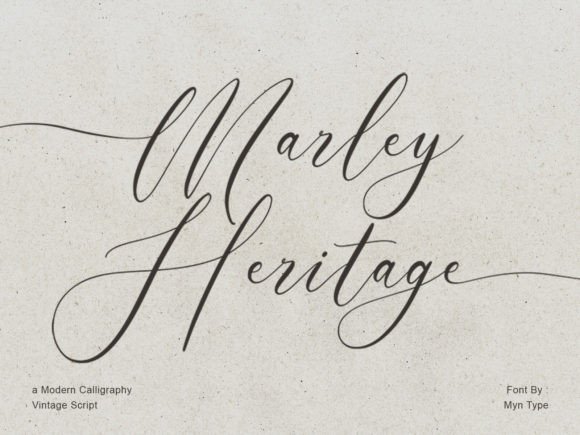
I was rebuilding the hero section for a client’s boutique ceramics online store, and the existing headline font felt too rigid. I needed something that conveyed craftsmanship and artistry, but also felt fresh and digitally polished. In my search, I landed on Marley Heritage, a modern calligraphy vintage script. The moment I dropped it into the layout, the entire mood shifted. Those thin, graceful line strokes introduced a layer of human touch without sacrificing clarity on the screen.
First Impressions in a Web Layout
Marley Heritage isn't a dense, ornate script. Its beauty lies in its restraint. In the website header, over a clean product image, the font created immediate visual interest. It felt premium but approachable. For digital designers, this is a crucial balance. A script font can often overwhelm or become illegible at smaller sizes, but testing Marley Heritage at various breakpoints showed a surprising resilience. It held its character on mobile, which is where many of my client’s customers browse.
The personality is distinctly elegant and modern vintage. It doesn’t scream "old-world" but suggests a curated, thoughtful brand. This mood is perfect for websites aiming to build trust and a polished online experience—think coaching websites, creative portfolios, high-end product landing pages, or a sophisticated blog redesign.
Practical Applications for Web Projects
In my ceramics store project, I used Marley Heritage strategically. It became the star for the main hero title and the decorative accents on section headings introducing new collections. I avoided using it for body copy or long paragraphs; its strength is in display. This is a font for creating focal points.
Where It Works Best on a Website
- Hero Titles & Landing Page Headlines: It grabs attention and sets an elegant tone instantly.
- Logo Text & Brand Marks: For a digital logo or wordmark, especially for brands in lifestyle, creative services, or wedding industries.
- Section Headings & Pull Quotes: Breaks up content with visual flair in blog posts or course sales pages.
- Call-to-Action Phrases: On carefully selected buttons or banners, it can make an offer feel special.
- Digital Brand Kit Elements: Consistent use across social media graphics, email headers, and campaign landing pages reinforces identity.
For the client’s site, pairing it was key. I used a simple, neutral sans-serif for all body text and UI elements like buttons and menus. This pairing—a decorative display font with a clean, readable sans-serif—is a classic web design strategy. It lets Marley Heritage shine without compromising usability.
Readability and Technical Considerations
Readability is the ultimate test for any display font on the web. With Marley Heritage, I paid close attention to contrast and size. On light backgrounds, its thin strokes need sufficient weight and size to remain crisp. I found it performed beautifully at larger sizes, but on dark backgrounds or image overlays, extra caution is needed. Ensuring a high-contrast color (like a light cream on a dark slate) and avoiding very small sizes in navigation or footers is wise.
For responsive layouts, I set specific minimum font sizes for headlines using Marley Heritage via CSS to ensure it never shrunk into illegibility on small screens. Also, its relatively open letterforms aid scanning; users can still quickly parse the headline meaning, which supports engagement.
Essential Checks Before Using a Font Like This
Before committing Marley Heritage to a live website or client project, a practical designer does a few checks:
- Webfont Availability & Formats: Confirm it’s available as a proper webfont (like WOFF2) for fast loading and crisp rendering across browsers.
- Included Styles & Weights: Many script fonts come as a single weight. Understand its limits for hierarchical variation.
- Character Set & Alternates: Check for multilingual support or stylistic alternates that can add uniqueness to logos.
- Commercial Licensing: Verify the license covers use on websites, in digital templates, and for client commercial projects.
These steps prevent technical headaches and ensure the font enhances, rather than hinders, the site’s performance.
Building a Cohesive Digital Brand Experience
Using Marley Heritage across a site’s key touchpoints builds consistency. For the ceramics store, it appeared on the homepage hero, the About page title, and the banners for new collection launches. This repetition creates a subconscious thread for the user, reinforcing the brand’s aesthetic and building professionalism. For a SaaS founder or entrepreneur crafting a brand identity, a font like this can be the cornerstone of that visual language.
In another test, for a coaching website, I used Marley Heritage solely for the main tagline and the client testimonial section titles. It lent an air of personalized, human-centric service. The font’s vintage script style, when used sparingly, suggests attention to detail and care—valuable qualities for any online brand.
Ultimately, Marley Heritage is a tool for digital creators who want to infuse elegance without nostalgia. It’s a modern script that understands it lives on screens. Its thin strokes are delicate but deliberate, designed to be seen in high resolution on devices. It won’t solve every typographic need on a page, but when placed with intention, it elevates the entire layout. It turns a standard headline into a brand statement, helping to craft a more polished and engaging online experience from the very first glance.